Hey people,
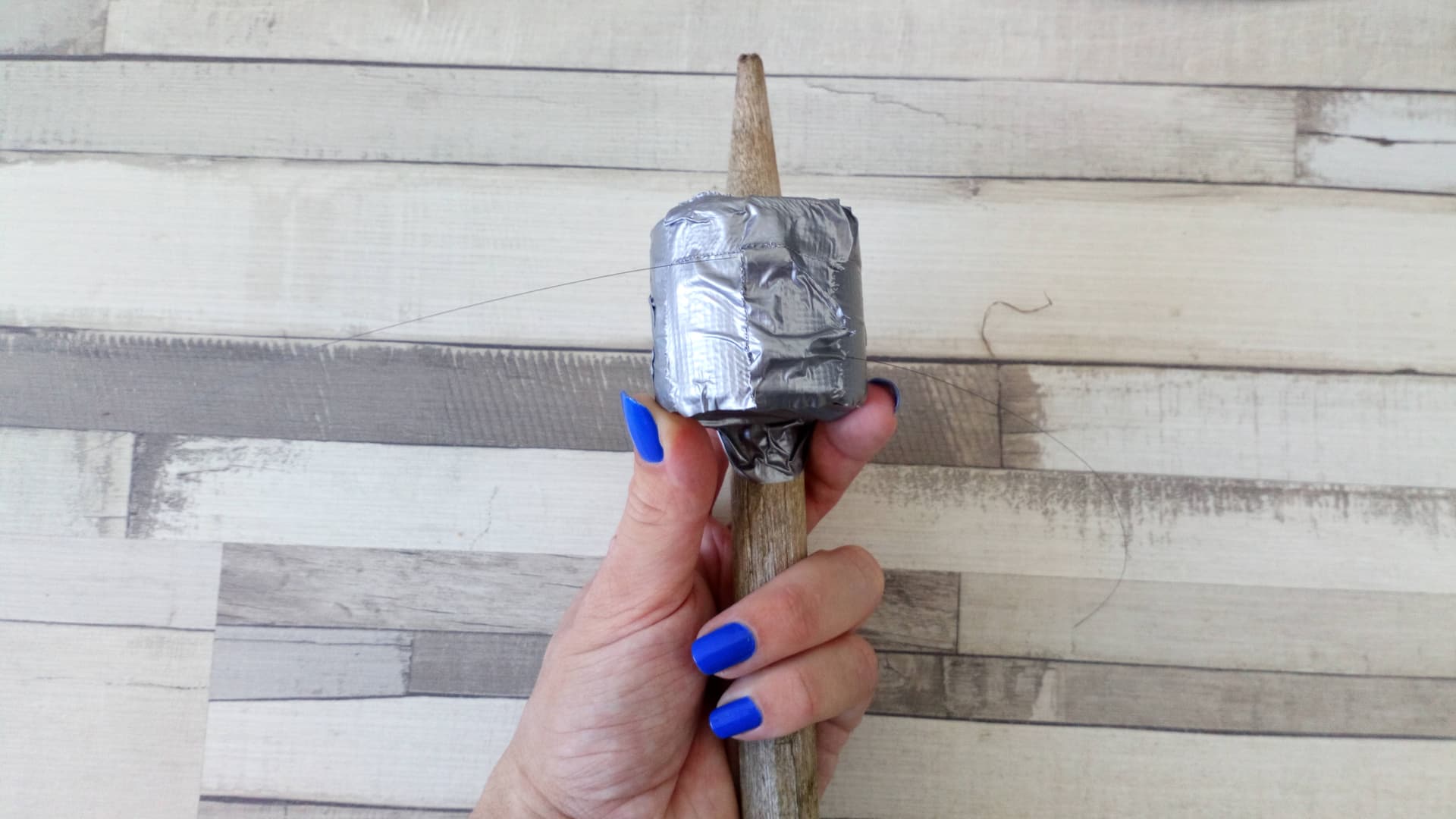
I’ve been doing a lot of testing lately with regards to signal level and background noise when detecting Lotek nanotags. I’ve kept two tags on a wooden pole at a distance of 400m/600m for 3 days at a time to collect data on the variance on signal/noise. I previously found that the signal is the strongest when the tags are parallel to the antenna’s elements, and perpendicular to the antenna’s boom. Because of symmetry this means I can have the tag pointing to either the left or the right. My way of solving this issue is to have two tags, one for both directions. I’ve attached them to a small container with some damp sponge in it as shown below:
Both tags have a burst interval of 7.1 seconds. To prevent the signals from overlapping, I activated the second tag ~3.5 seconds after the first. This was done 7 days ago. Because my testing results looked very noisy, particularly over the weekend, I took the tags again and looked at the signal in SDRsharp. To my surprise, today, the two tag signals almost completely overlap:
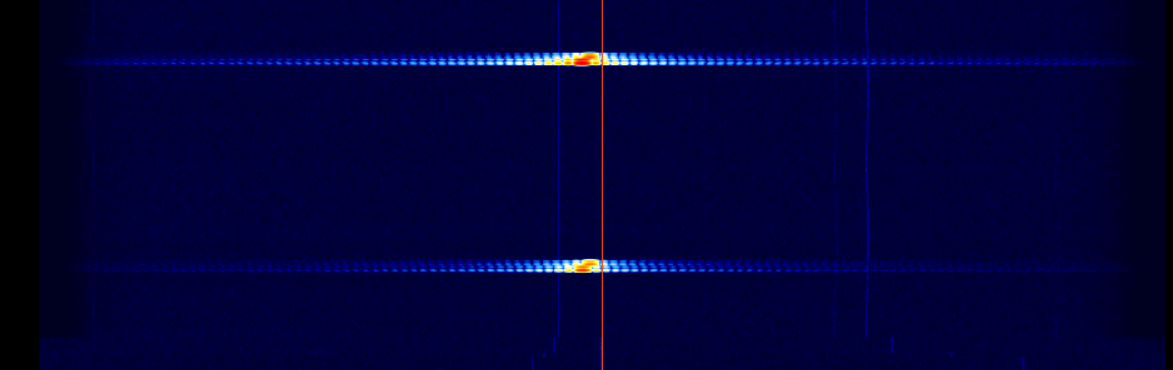
This means that in 7 days, the burst intervals have been different enough to allow for a shift of at least 3.5 seconds (or 10.6s, 17.7s, etc.). Over a 7-day period, this means that one tag had a burst interval that was ~40μs shorter than the other. This is a deviation of ~0.0006%, well within margin of error for usual manufacturing processes, and I don’t think there’s much sense in trying to improve this precision. I just wanted to share my experience and warn others:
When deploying multiple tags with the same burst interval, expect the possibility of a daily shift of up to 0.5s of relative burst interval timing.