I’m preparing to set up three stations on the rooftops of some pretty tall buildings (casino/hotels). I’m using non-penetrating roof mounts and Sensorstation v3s with 12V/30W AC/DC power. I’m concerned about lightning/surge protection at the heights I am deploying (5 - 25 stories high depending on the site). I’ve come across some grounding options but the electrician on-site is concerned that being connected to the building’s electrical supply creates a hazard that he’s not sure how to address. I was hoping not to rely on solar power if possible but I don’t want to compromise the safety of the buildings. Moving the stations to another site is a possibility to avoid the electrical risk but would also require me to switch to solar power options (which may be a lot easier than tying into lightning protection on rooftops). If anyone has any experience or advice for these particular situations I would appreciate it.
Hmm, the lightning stuff I know of is about the RF cables going into the building. For the power, the best I can imagine is to use as thin gauge wire as possible to connect to the building (24ga-20ga?) and then some quality surge protection. But aren’t there other antennas and devices on the roofs of these buildings that have already solved this problem?
I am joining this conversation late, but have you decided what you plan to do with grounding stations on the tall buildings? We are about to put up a tower attached to the side of the building, and I am interested in how (or if) people are grounding the towers [I have searched through the Motus archives but there does not seem to be a clear resolution that I can find]
Take my input with a big grain of salt because I’m not an electrician by any means, but what I have been doing for stations attached to buildings is grounding them by running a 6 AWG copper wire down from the station (usually a ground clamp attached to the mast) to a ground rod I drive into the ground at the base of the building (copper wire also attached with a ground clamp). I’ve attached some pictures. On a couple of stations on schools and universities, I’ve been fortunate to work with the school district/university’s electrician who has helped with grounding by running the ground wire into a the building’s machine room where they’ve connected it to other grounding systems for the building (I think, I don’t fully understand it). These have required either a roof or wall penetration for the wire to enter the building (and coax cables too in some cases), which facilities staff did for us.
I haven’t added lightning arrestors too (due to financial and time constraints), but it can be good practice to protect your receiver equipment. I think my system should protect the building, but the receiver would still get fried if struck. I believe Bird Conservancy of the Rockies and American Bird Conservancy do this - essentially a lightning arrestor for each antenna inline with the coax cable for that antenna and connected to a copper bus bar, but I don’t know too much about the details. Perhaps @Nick.Haddad or @AdamDSmith could chime in?
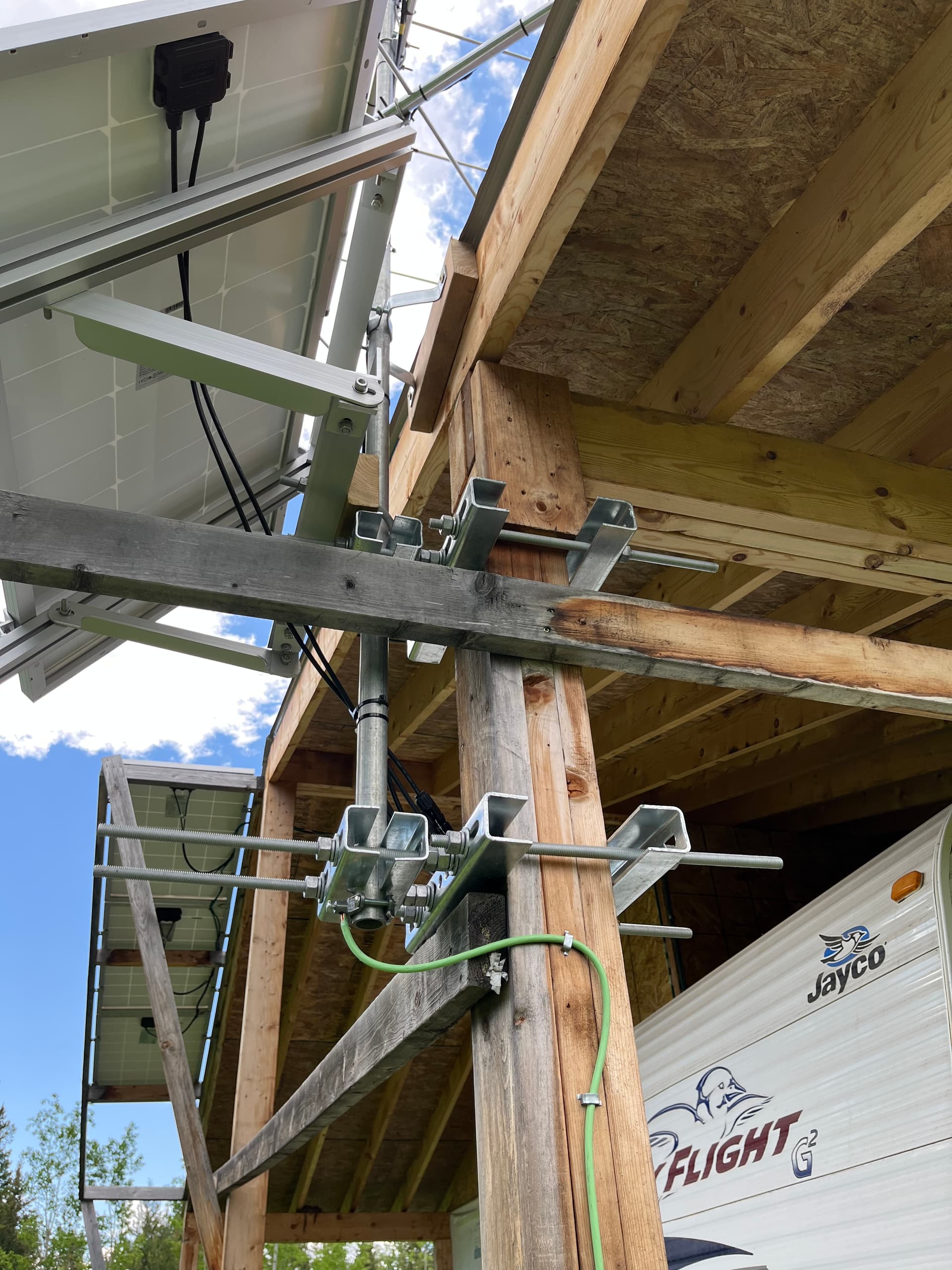
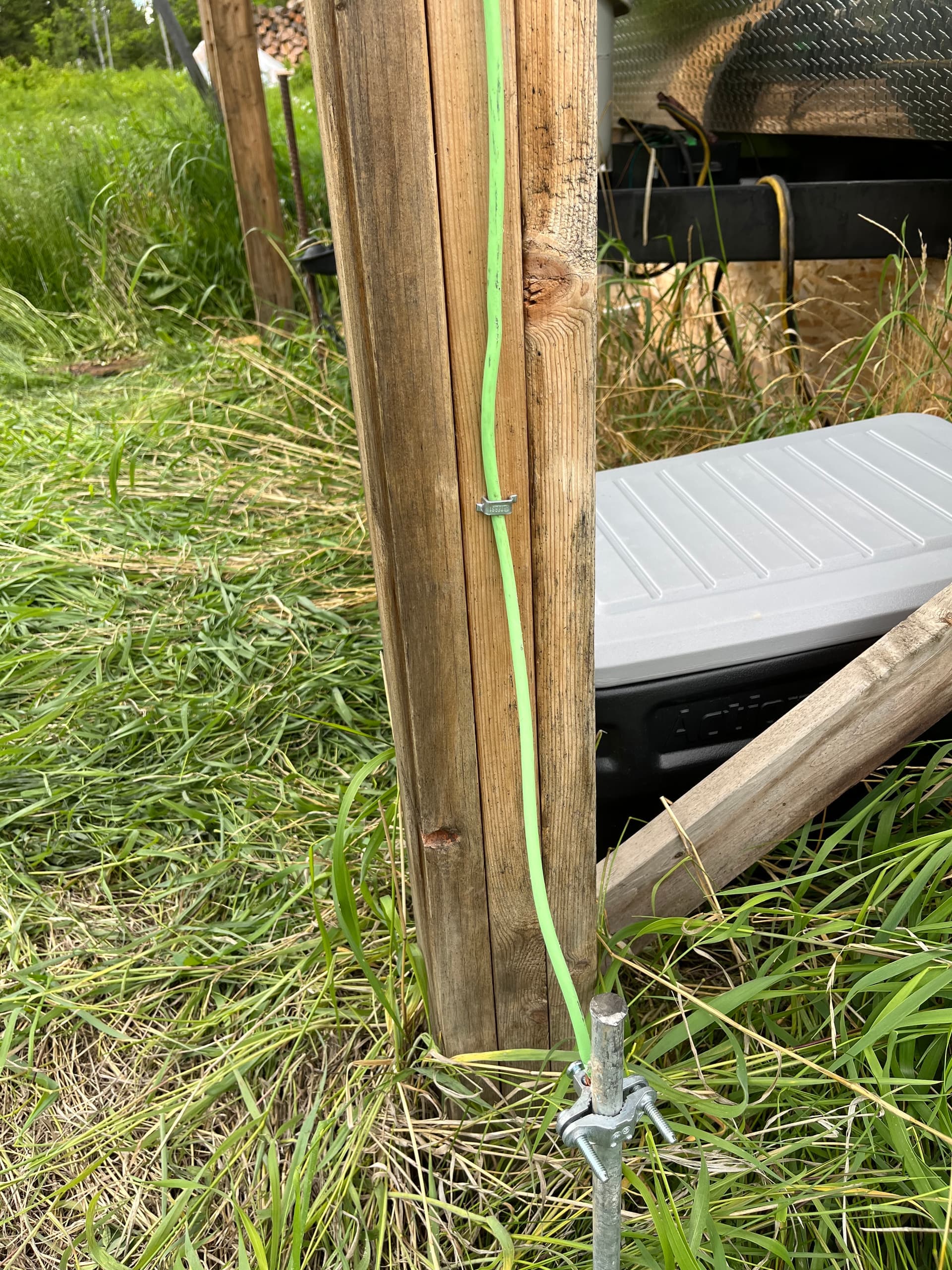
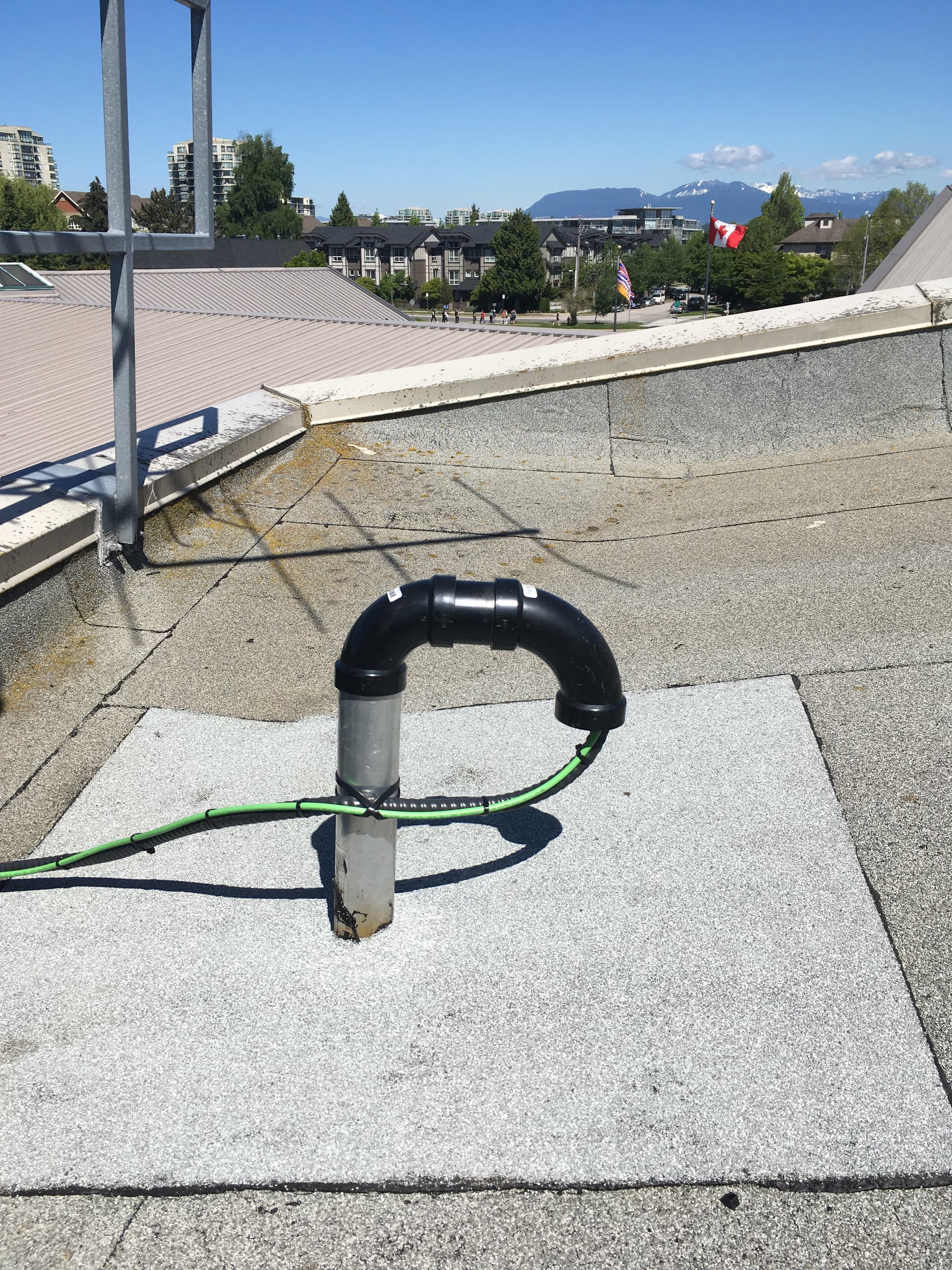
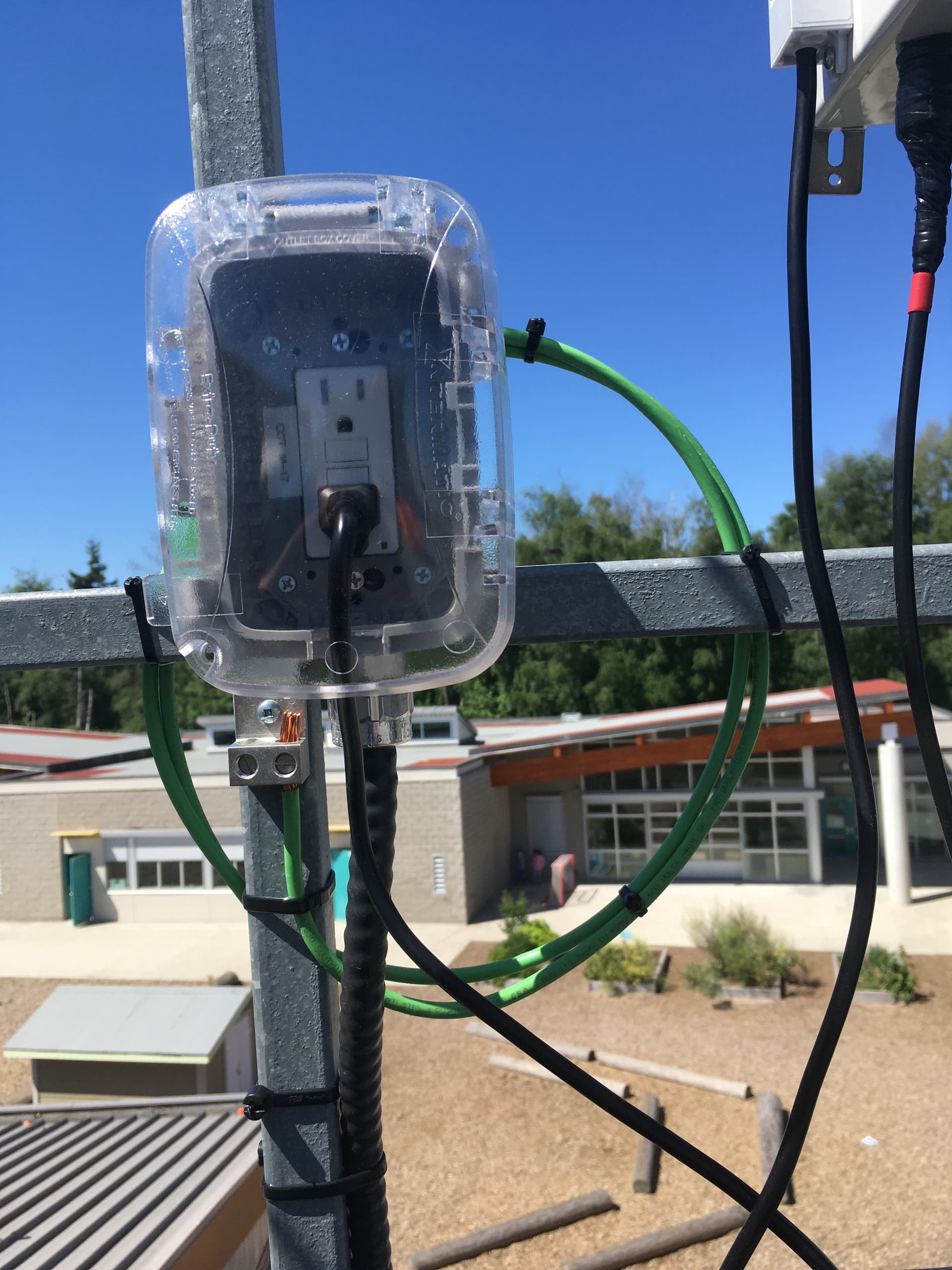
Very helpful - thanks so much answering and providing photos! I now have something to show to an electrician